


Empowering youth development, cultivating a global vision
The International Youth Talent Program is hosted by the Pacific Rim Institute for Development and Education (P.R.I.D.E.), a UN-accredited NGO. Guided by 117 individual-practice items under the United Nations' 17 Sustainable Development Goals, it sets out to cultivate, in a well-rounded and multidimensional way, the core qualities of today's youth — humanistic care, learning through practice, and a spirit of inquiry. The program adopts an innovative Project-Based Learning (PBL) model that deeply and organically integrates experiential study trips, social research, research experience, public-welfare action and cultural immersion, leading young students to truly perceive the unique appeal of academic research and diverse cultures through journeys of real depth and substance.
Mentors light the way: set out with questions, travel with method
Students are carefully guided throughout by a mentor team of seasoned professors and professional teachers, truly putting into practice the research ethos of “writing academic papers upon the soil of one's homeland.” The curriculum builds a highly systematic body of social-science research training, ensuring that every student “sets out with a research topic and a scientific method.” Drawing on the unique humanistic and natural resources of China's west, the program helps students carry out high-quality, in-depth fieldwork and interviews, immersing them in knowledge through engaging study activities and helping young people forge deep friendships through teamwork.
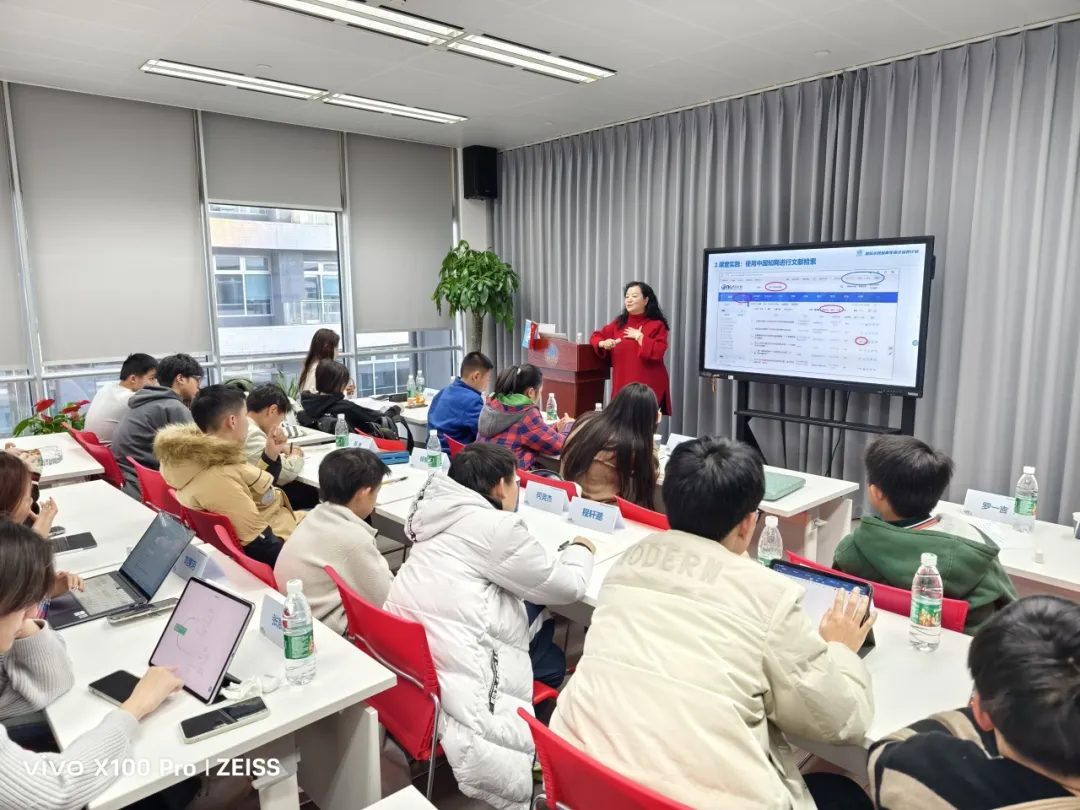
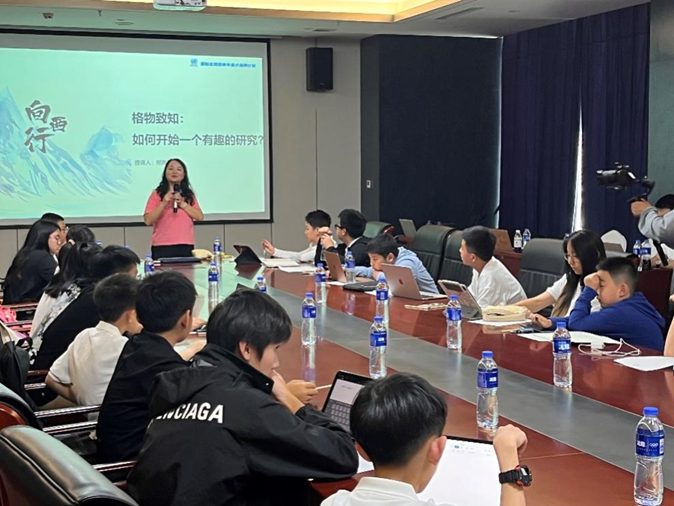
Many-sided growth: dialogue with the world through scholarship, share warmth through service
Beyond producing academic work under the guidance of distinguished professors of social anthropology, students engage face-to-face with inheritors of intangible cultural heritage, becoming ambassadors of ethnic culture along the Belt and Road. On the public-welfare side, the program joins forces with the “Huggy Plan” to lead young people in projects such as east-west youth cultural exchange and the copying and restoration of Dunhuang murals. Students who complete the program receive an official UN-NGO certificate, and outstanding representatives may earn a place at international youth forums held at UN Headquarters or its affiliated bodies.
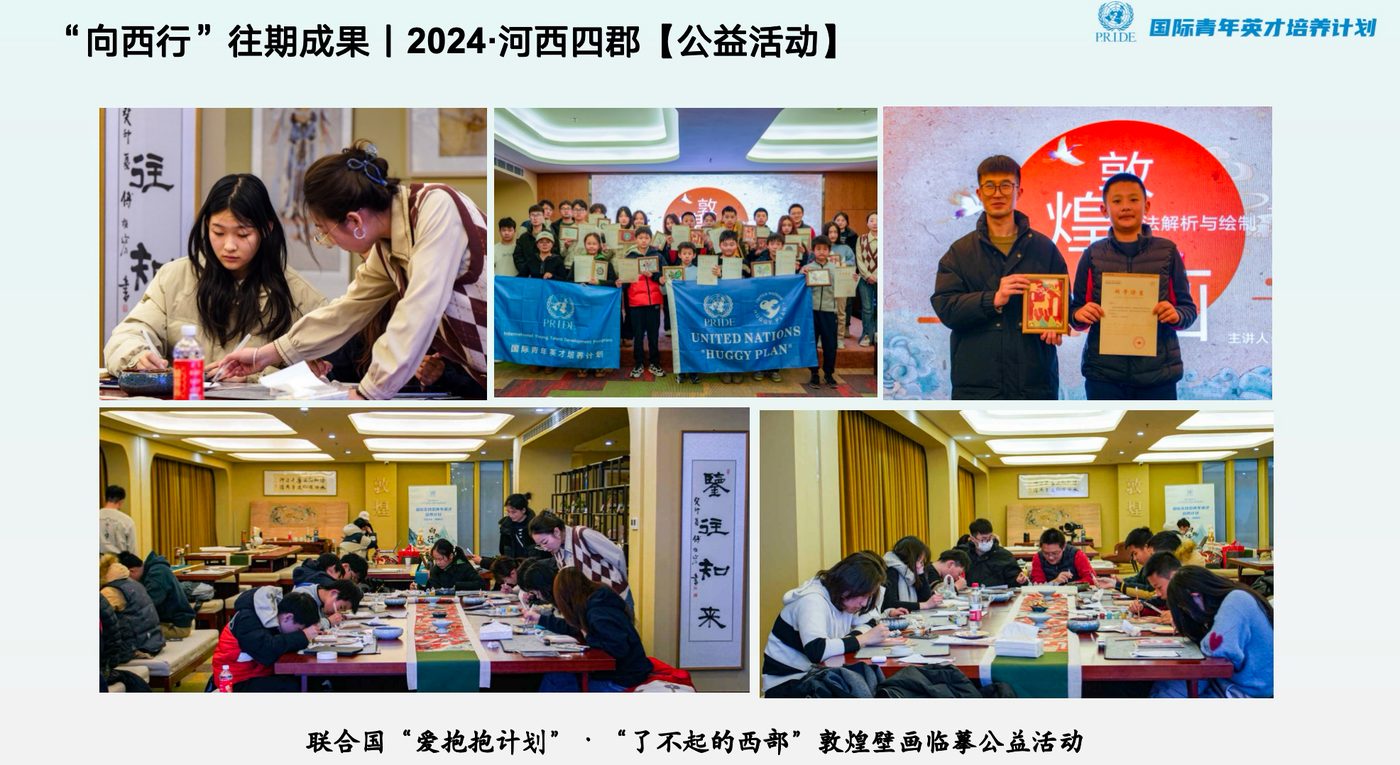


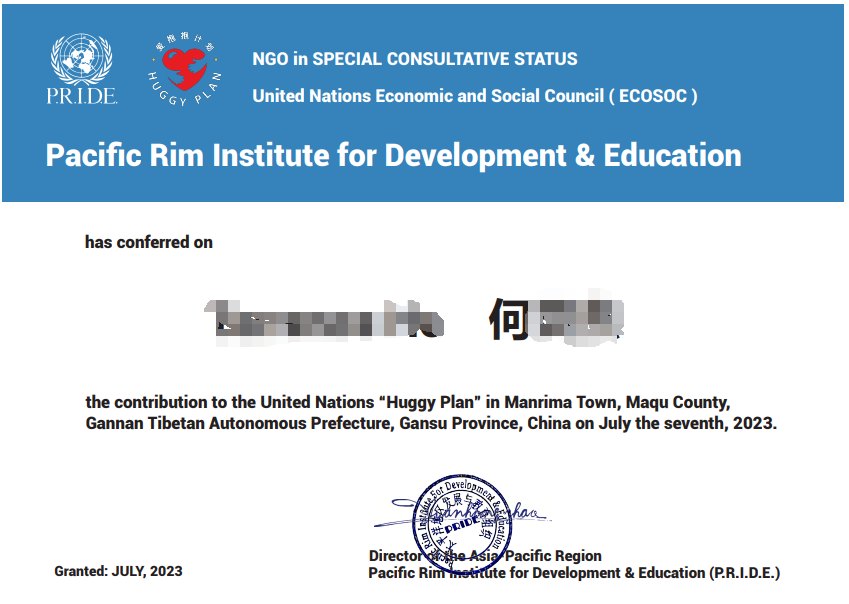

Remarkable results: ideas that bloom on the page, youth achievements that reach beyond
Looking back, the “International Youth Talent Program · Journey West” has already yielded rich academic and social outcomes. In past editions, students refined numerous research topics — for example, “The Value of Heroic Myths and Historical Legends in Ethnic-Minority Regions,” “The Shortage of Educational Resources in Ethnic-Minority Regions and Countermeasures,” “Tibetan Food Culture on the Tip of the Tongue,” “Thangka Art on the Tip of the Brush — Inheritance and Development,” “Tourism Driven by Culture: Development Strategies for the Hexi Corridor,” and “Localized Interpretation of Heroic Cultural Resources — the Case of Huo Qubing” — topics that reveal the students' remarkable sociological imagination.
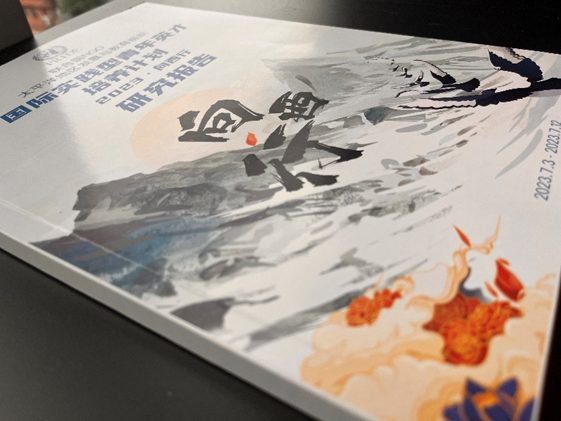
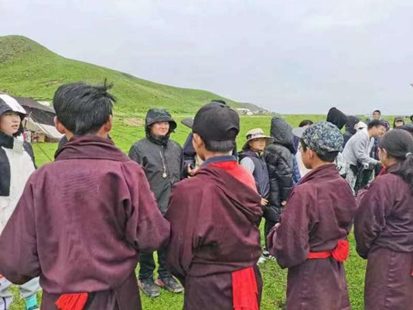
Official program statistics show striking results. Take “2024 Journey West · Gannan Tibetan Region”: five student groups received over 10 hours of lectures delivered personally by professors and 40 hours of careful guidance on their research reports across seven thematic courses. Their fieldwork covered 12 key sites, with in-depth interviews of 19 students of the Maqu boarding school, 3 local inheritors of intangible cultural heritage and 2 western-culture interpreters. In the end, the students wrote nearly 10,000 characters of field diaries and raw interview material, jointly completed high-quality research reports of more than 40,000 characters, and gave 5 academic presentations; they also held a public-welfare exchange with local children, staged 7 friendly highland wrestling matches, and produced 5 public-welfare videos promoting “the amazing west,” which drew more than ten thousand online views.

Many outstanding students have stood out in the program to become role models among their peers. Student H, who took part in “Journey West” for two consecutive years, used in-depth research on “King Gesar, hero of the Tibetan regions” as a core application piece and ultimately gained admission to the highly selective Stanford Online High School. Another student, L, had an academic paper written during the program accepted — for its original insight and solid fieldwork — by the “People · Digital · City” academic forum hosted by the Department of Sociology at Shanghai Normal University.

Highlights
Beholding the world, charting the way west
Journey West · Gannan Tibetan Region
In the Gannan Tibetan region, half is scenery and half is faith.
Here students not only enter one of the most distinctive Tibetan regions and pursue their academic dreams in the fresh grassland wind, but also experience first-hand the most authentic nomadic intangible heritage — Thangka painting, grassland horse racing, the chanting of King Gesar, and singing to the dramyin lute. They dance in mass guozhuang circles and bonfire nights, and are bathed in the sacred amid the region's ancient sang-burning rituals.

Journey West · the Hexi Corridor
In the Hexi Corridor, half is vastness and half is splendor.
Here students cross the long winds of the desert and gobi, opening the door to scholarship amid the camel bells of the Silk Road, and experience first-hand the corridor's most distinctive historical culture — copying Dunhuang murals and crafting bamboo-slip heritage works. They gaze into the distance under the setting sun atop the Jiayuguan gate tower, marvel at the brilliant scroll of the Rainbow Danxia, and feel the depth of history in the millennia-old Buddhist shadows of the Mogao Caves.

Through Project-Based Learning, the “International Youth Talent Program · Journey West” nurtures students' passion for scholarship, strengthens their readiness for the world's finest universities, and cultivates future core competencies and a global outlook. It is not only a journey across mountains and seas that unites scholarship with service, but also an academic “coming-of-age” in which young people measure the world with their footsteps and answer their era with their thinking. Beholding the vast world, charting the way west, building bridges of culture and telling China's story — let us set out together!


Source: Pacific Rim Institute for Development and Education (P.R.I.D.E.)
